The shower that rewires your brain every morning.
Cold water exposure triggers a 40% spike in norepinephrine, sustained dopamine release, and measurable immune activation — all in under three minutes. This is the science of turning daily discomfort into daily resilience.
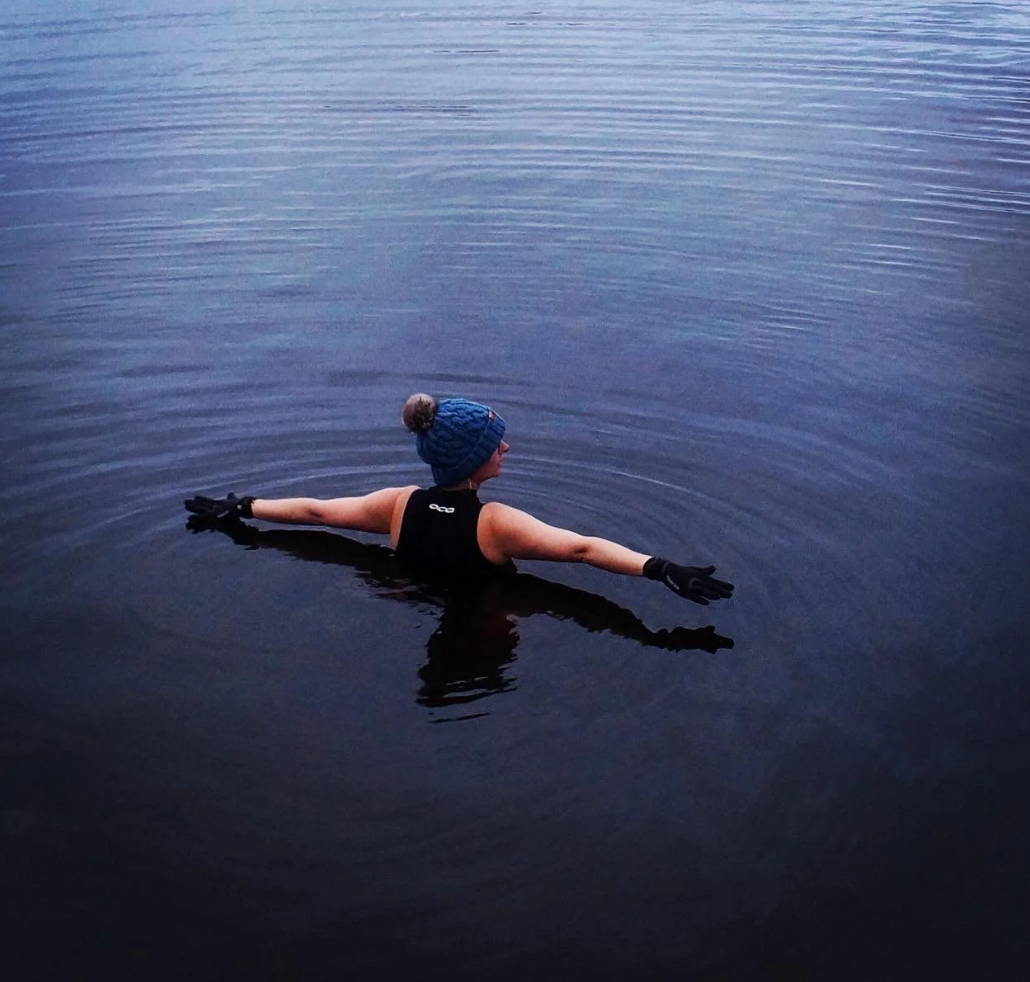
The moment cold water hits your skin, your body does something remarkable — it panic-breathes, your heart spikes, your brain screams "GET OUT." This is the cold shock response. And if you stay, something shifts. The panic fades. Your breathing steadies. And in that gap between impulse and action, you discover something you couldn't find anywhere else: you are in control.
That's not poetry. That's neuroscience. And it's exactly why cold water therapy has moved from extreme athlete circles into boardrooms, therapy offices, and yes — life management systems like this one.
"The cold doesn't get easier. You get stronger. And that strength transfers everywhere."
What cold water actually does to your body and brain
Cold water exposure is one of the few practices that simultaneously affects your nervous system, immune function, hormonal profile, and mental state — all in one short session. Here's what's happening under the surface:
Cold water as a resilience teacher
There's something the science doesn't fully capture, and it's the reason cold water is a favourite tool of performance coaches, Navy SEALs, and stoic philosophers alike: the practice trains your relationship with discomfort.
In modern life, we avoid discomfort by design. Apps smooth friction. Smart homes adjust temperature automatically. Algorithms serve us only what we already like. This is comfortable — and it quietly erodes our capacity to handle anything hard.
Cold water reverses that. Every time you choose to step in, you practice the fundamental act of resilience: choosing difficulty on purpose, staying regulated while your instincts scream retreat, and discovering that you are more capable than the discomfort suggests.
Evidence strength across benefit categories — based on current research consensus
Your 30-day cold water protocol
You don't need a frozen lake. Your shower is enough. Here's a progressive protocol to build the habit from zero:
Week 1 — Contrast showers
Finish your normal warm shower with 30 seconds of cold. No willpower needed, just stay with it. Focus on slowing your breath, not enduring the cold.
Week 2 — Extend to 60 seconds
Push the cold finale to a full minute. Notice how your breathing changes. This is where the mental practice begins — regulate before you exit.
Week 3 — Full cold shower
Start cold, stay cold. Two minutes minimum. This is the threshold where neurochemical benefits become consistent. Your body will adapt faster than you expect.
Week 4 — Morning integration
Make it the first thing you do. Cold before coffee. The discipline of starting your day with intentional discomfort changes how you meet everything else that day.
Beyond — Cold immersion
Ice baths, cold plunge tubs, open water. 10–15°C for 2–4 minutes gives the strongest response. Once per week is sufficient for maintenance benefits.
If you have cardiovascular conditions, Raynaud's disease, or are pregnant, consult a doctor before starting cold exposure. Cold shock can cause dangerous cardiac responses in those with underlying heart conditions.
Tracking what the cold does to your life
The real power of any habit isn't the act itself — it's what you learn about yourself over time. When you log cold exposure alongside mood, energy, focus, and sleep in MyLifeManager, patterns emerge that you'd never notice day-to-day.
You'll start to see: better HRV on cold days. Sharper task completion in the hours after. Less reactive decision-making under pressure. The data becomes a mirror that shows you the compound return on a practice that takes less than five minutes.
Add it to your habits tracker. Set a streak. Give it 30 days. The cold will change — not because it warms up, but because you do.
Share this article